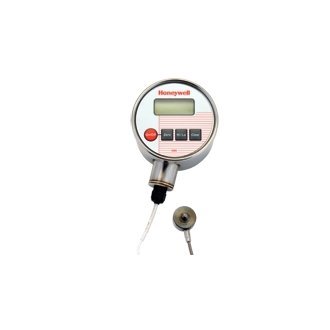
Honeywell / Model 3663 / Seat Belt Load Cell
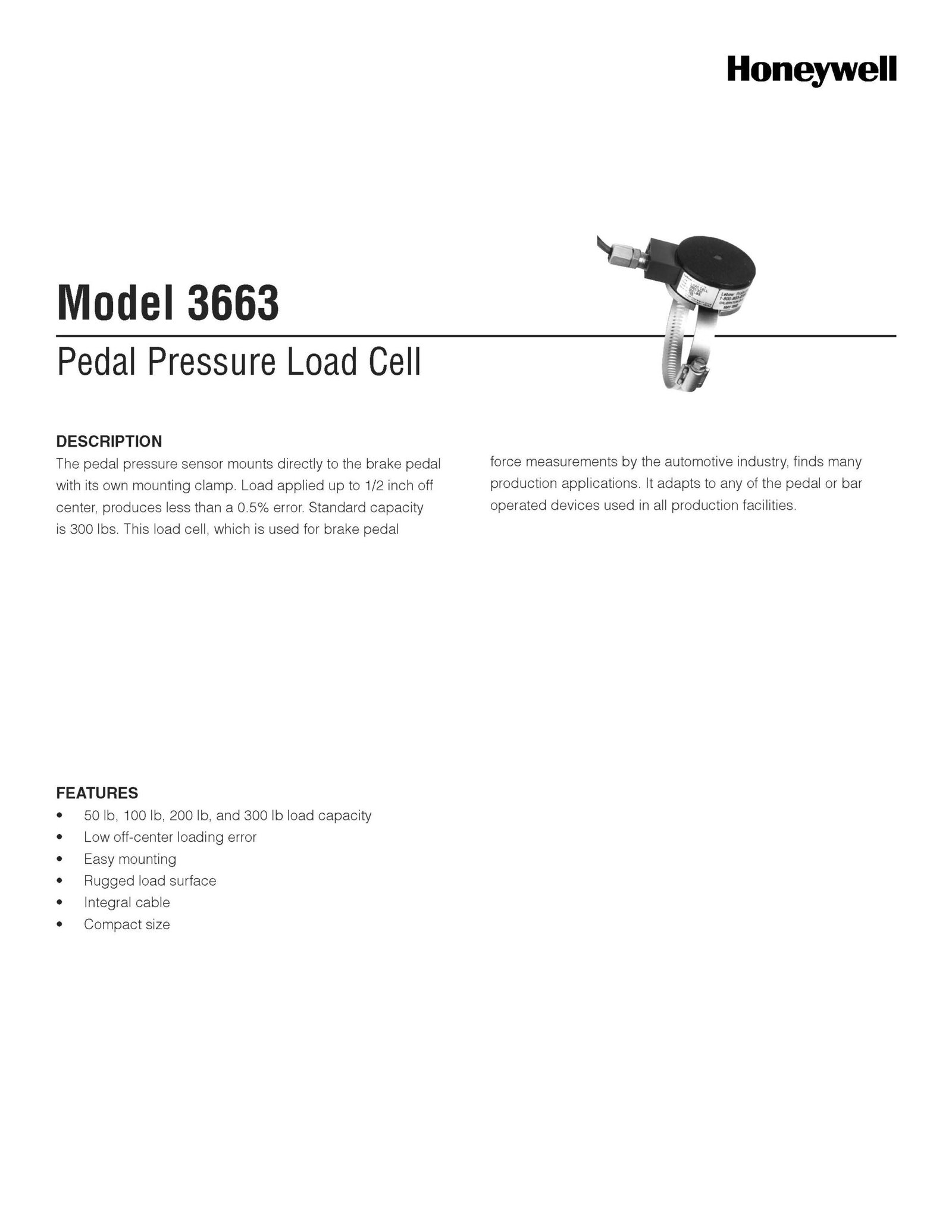
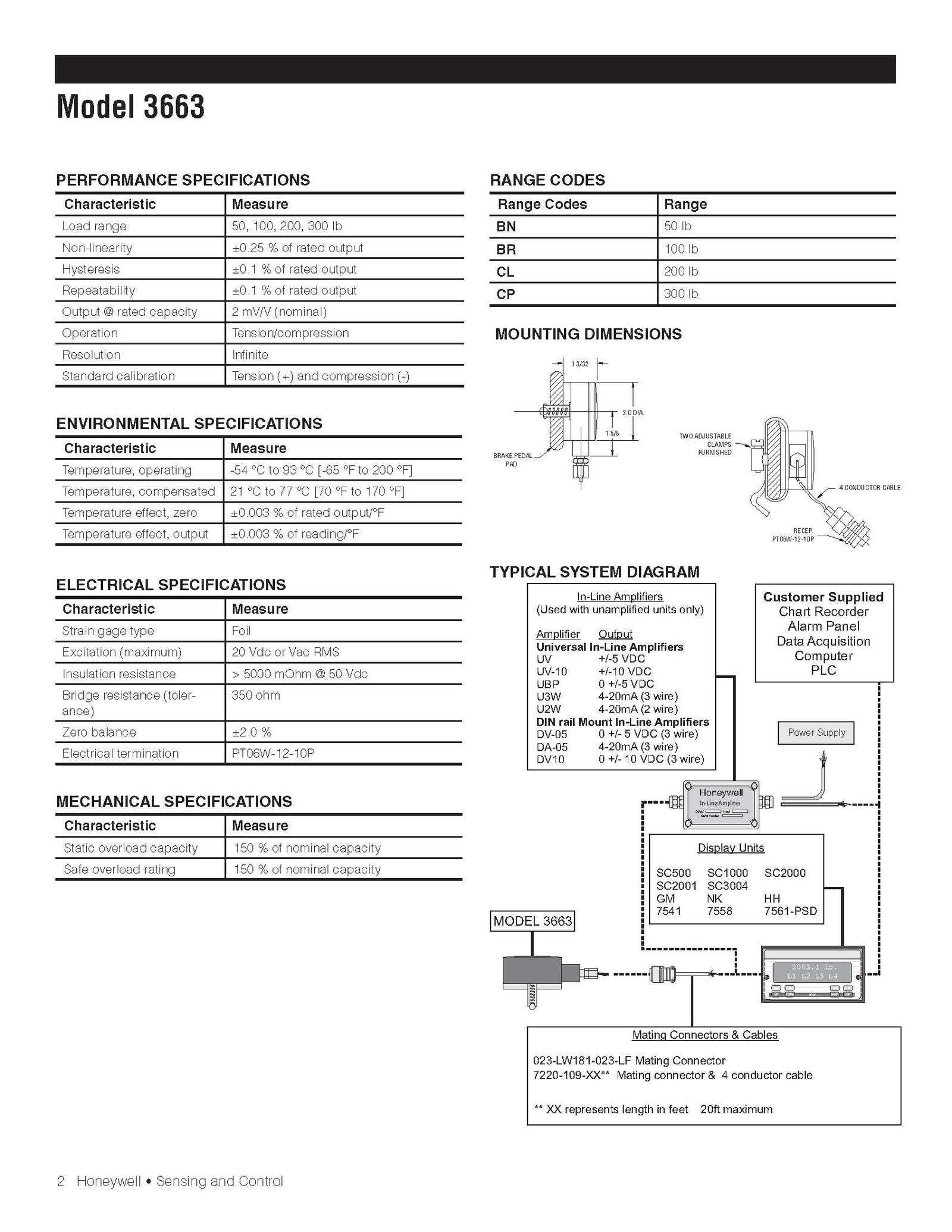
The pedal pressure sensor mounts directly to the brake pedal with its own mounting clamp. Load applied up to 1/2 inch off center, produces less than a 0.5% error. Standard capacity is 300 lbs. This load cell, which is used for brake pedal force measurements by the automotive industry, finds many production applications. It adapts to any of the pedal or bar operated devices used in all production facilities.
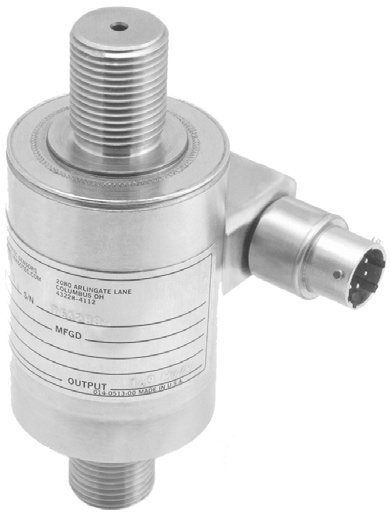
Model RM, with male threads, is a high output rod end load cell designed to be mounted inline to the load axis to measure tension. The outputs for these load cells are ±5 Vdc or 10 Vdc, or
4 mA to 20 mA (two wire) all calibrated in tension. The mounting thread configurations and the all welded stainless steel construction make these tension load cells ideal for a variety of rugged field applications as well as in the laboratory.
The optional high output signal offers resistance to electrical noise as well as additional signal resolution. Additional options include an internal buffered shunt calibration circuit for ease of setup with an associated indicator, and a variety of thread selections, including metric sizes.
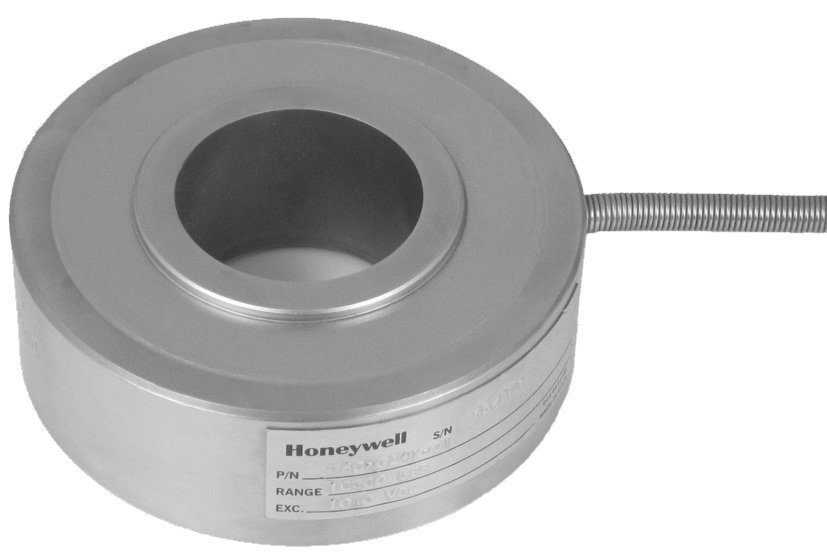
The Model D Donut Shaped Load Cell features a smooth thru-hole design often ideal for applications which require the load structure to pass directly through the cell. Such applications include bolt force measurements, clamping forces, and monitoring overloads. Load ranges as low as 150 grams and as great as 30,000 pounds can be measured within a maximum full scale non-linearity and hysteresis of ±0.5 % F.S., respectively. These models are used in compression applications and are available in multiple hole and frame sizes. For optimum performance, these cells must be mounted between load surfaces which are flat and parallel. The Model D miniature load cell is designed to have a minimum thickness.

Model RF, with female threads, is a high output rod end load cell designed to be mounted inline to the load axis to measure tension. The outputs for these load cells are ±5 Vdc or 10 Vdc, or
4 mA to 20 mA (two wire) all calibrated in tension. The mounting thread configurations and the all welded stainless steel construction make these tension load cells ideal for a variety of rugged field applications as well as in the laboratory.
The optional high output signal offers resistance to electrical noise as well as additional signal resolution. Additional options include an internal buffered shunt calibration circuit for ease of setup with an associated indicator, and a variety of thread selections, including metric sizes.
The Model 102 load cells combines both a compact form and high precision to offer a superior tension force transducer. The one-piece S-shaped design achieves a maximum non-linearity of 0.02 % full scale for load ranges from 20 kg to 1000 kg. Additional features include minimal temperature effects on zero and span of 0.002 %/°C and 0.002 %/°C, respectively.


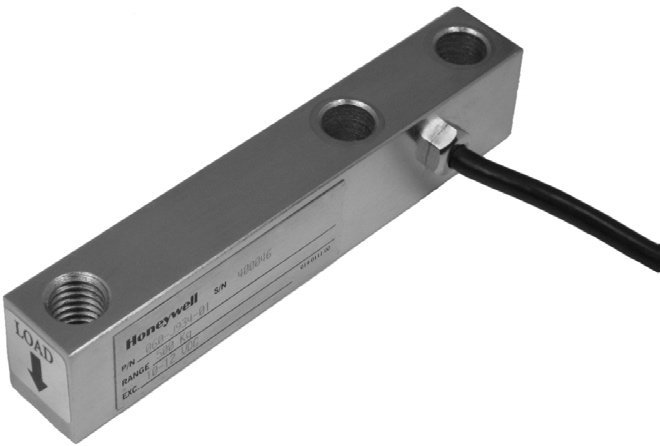
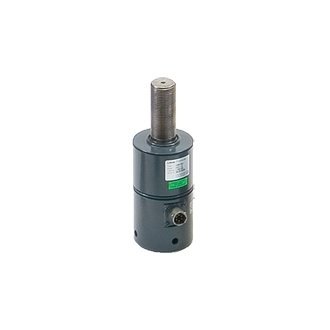
The small-diameter, cost-efficient, fatigue-resistant load cells are designed to be used in applications that require an ability to mount in an existing system with restricted working area. They are commonly used in fluid power transfer systems. Their low cost and ease of mounting allow simultaneous testing of multi-element systems.
They may be directly attached to the piston rod of a hydraulic cylinder. Side-mounted cable connectors allow cable assemblies to be supported without affecting movement of the cell during tension or compression loading.

Model 3632 Compression Donut Load Cell features a smooth thru-hole design for use in applications which require the load structure to pass through the cell. The hollow load cells are available for compression only loads in capacities of 25K, 50K and 100K lbs. For optimum performance, this load cell must be mounted between load surfaces which are flat and parallel.
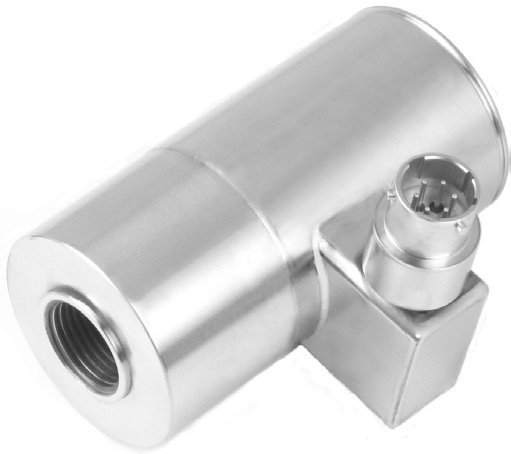
The Model RGF In-Line load cells are high quality, stainless steel rugged load cells capable of withstanding significant off-axis loads, making them an ideal choice for in-line compression measurement or tension measurement where side loading cannot be completely controlled. The flexible mounting options make applications easier to implement, and the all stainless steel, hermetic construction is well suited to corrosive and very high humidity environments.