

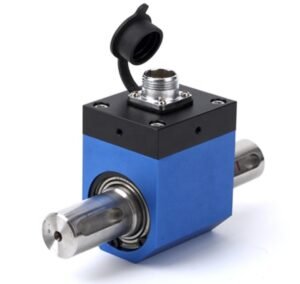
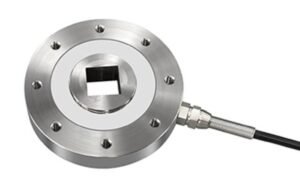

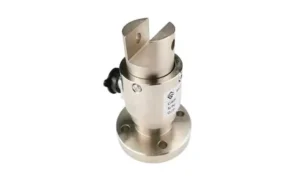
Suitable for measuring the torque of static and discontinuous rotation.
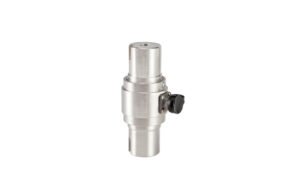
Suitable for the measurement and control of static and discontinuous rotation torque.

With the characteristics of double flange connection, the TJN-3 static torque measurement sensor is easy to install. Suitable for the measurement and control of static and discontinuous rotation torque.

The TJN-5 static torque measurement sensor is suitable for the measurement and control of static and discontinuous rotation torque.
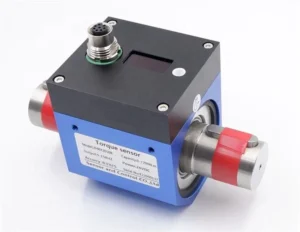
Dynamic Torque Transducer With PC Software for Monitor on Computer 1, Applications: DTS series dynamic torque sensor is an accurate measuring device for torque and mechanical power consumption. Mainly applied in 1.1 Electromotor, Engine motor, internal-combustion engine and other rotating equipment. 1.2 Fan, water pump, torque wrench 1.3 Train, auto mobile, tractor, airplane, ship, mining machine 1.4 Water recycling system 1.5 Viscometer 1.6 Process industry 1.7 Torque Wrench Calibration
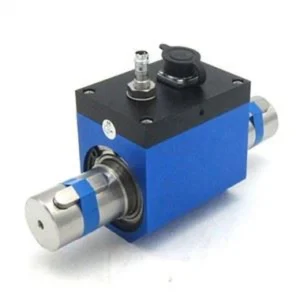
1, Applications: DTS series dynamic torque sensor is an accurate measuring device for torque and mechanical power consumption. Mainly applied in 1.1 Electromotor, Engine motor, internal-combustion engine and other rotating equipment. 1.2 Fan, water pump, torque wrench 1.3 Train, auto mobile, tractor, airplane, ship, mining machine 1.4 Water recycling system 1.5 Viscometer 1.6 Process industry
1, Applications: DTS series dynamic torque sensor is an accurate measuring device for torque and mechanical power consumption. Mainly applied in 1.1 Electromotor, Engine motor, internal-combustion engine and other rotating equipment. 1.2 Fan, water pump, torque wrench 1.3 Train, auto mobile, tractor, airplane, ship, mining machine 1.4 Water recycling system 1.5 Viscometer 1.6 Process industry
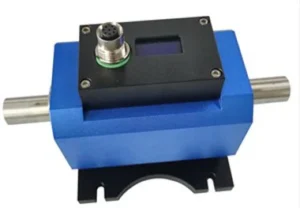
1, Applications: DTS series dynamic torque sensor is an accurate measuring device for torque and mechanical power consumption. Mainly applied in 1.1 Electromotor, Engine motor, internal-combustion engine and other rotating equipment. 1.2 Fan, water pump, torque wrench 1.3 Train, auto mobile, tractor, airplane, ship, mining machine 1.4 Water recycling system 1.5 Viscometer 1.6 Process industry
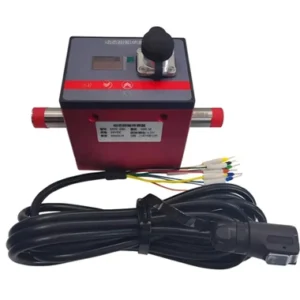
Highspeed Rotating Torque Transducer In-line Torque Sensor 5Nm Model: DTS-03D Other name: In line Torque transducer Features and Applications Small torque sensor is a new product developed by our company on the basis of the special technology of strain bridge, which is suitable for all kinds of torque measurement occasions with small volume and high speed. The product output 5~15kHz frequency signal or 4~20mA current signal, suitable for long-distance transmission. This product is small in size, easy to use and install, strong signal anti-interference ability The product is non-contact type, no wear, the highest speed of 8000-18000 RPM, suitable for long-term high-speed rotation conditions
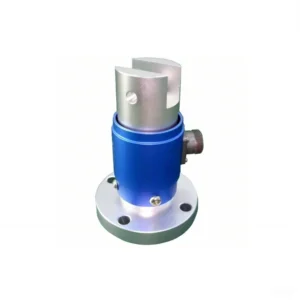
Static Torque Transducer for Industrial Calibration Model: ZNJ-100 1. Applies resistance strain gauge which is a sensitive component with high accuracy,stable and reliable . 2. Low torque capacity, easy to install and use. 3. One end with key joint and another end with flanged joint. 4. Suitable for static torque measurement.
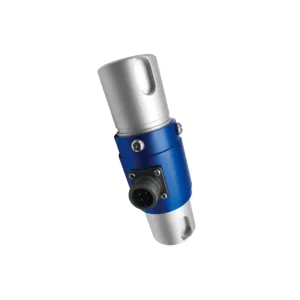
Static Torque Transducer for Industrial Calibration Model: ZNJ-101 1. Applies resistance strain gauge which is a sensitive component with high accuracy,stable and reliable . 2. Low torque capacity, easy to install and use. 3. One end with key joint and another end with flanged joint. 4. Suitable for static torque measurement.
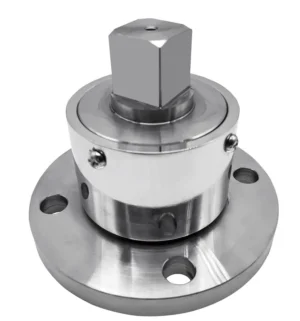
Static Torque Sensor For Calibration Overload Protection Model: ZNJ-103 Common applications Static torque sensors are used in various industries for quality control, testing, and monitoring. Aerospace: Calibrating torque wrenches and ensuring the precise tightening of fasteners during aircraft assembly. Automotive: Verifying the final torque on fasteners during quality inspection on assembly lines. Manufacturing: Monitoring the tightening process in robotic assembly and testing material torsional properties. Energy: Measuring and optimizing equipment in power plants and renewable energy facilities, such as wind turbines. Calibration: Providing a standard torque value for the calibration and verification of other torque measurement equipment.
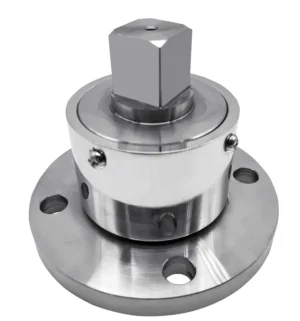
Static Torque Transducer For Mechanic Protection Model: ZNJ-103 How a static torque sensor works Static torque sensors typically operate using strain gauge technology. The process works in a step-by-step manner: 1. The sensor is attached to a component or shaft where torque measurement is required. 2. When torque is applied, the internal elastic element of the sensor undergoes a slight mechanical deformation or twist. 3. Strain gauges, which are electrical resistors bonded to the elastic element, also deform. This deformation causes a change in their electrical resistance proportional to the applied torque. 4. A Wheatstone bridge circuit converts the resistance change into an electrical signal, typically a voltage. 5. This electrical signal is then amplified, processed, and translated into a precise torque reading. ◆ Features and Applications 1. Applies resistance strain gauge integrated with circuit which is accurate ,stable, and of large measuring range. 2. Middle capacity static measuring, easy to install. 3. One end is with key (or external square key) joint , another end with flanged joint.
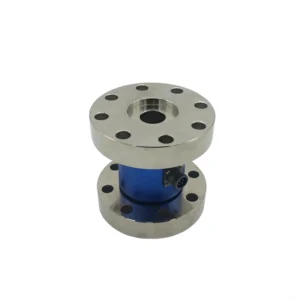
Static Torque Transducer for Micro Torsion Measuring Model: ZNJ-105 Features and Applications This product integrates a resistance strain gauge sensor and an integrated circuit. It offers high precision, stable and reliable performance. It measures low-range torque and is easy to install and use. It is suitable for static torque measurement.