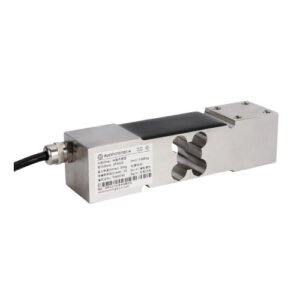
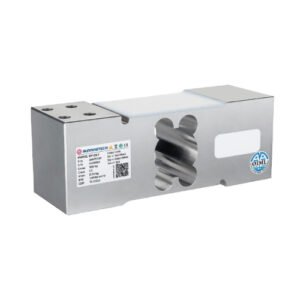
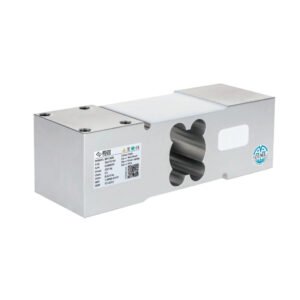
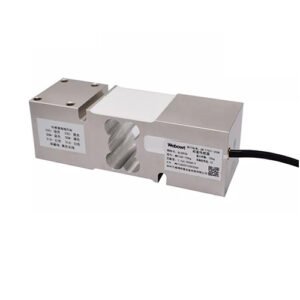
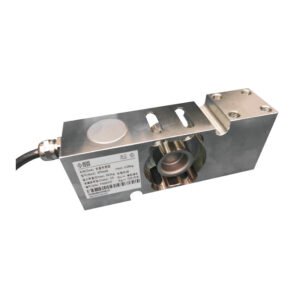
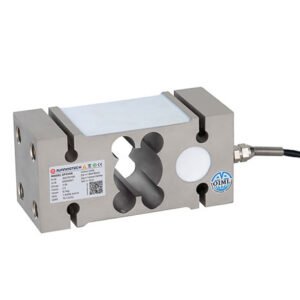
CPA11A Single Point Parallel Beam Load Cells 3kg to 750kg for Weighing Scales

Description

Due to the excellent mechanical properties of aluminum alloy, we chose aluminum alloy as the elastic body when designing the CP series load sensors. The aluminum alloy undergoes colorless anodizing and sealing, which not only enhances surface hardness but also improves corrosion resistance. In terms of manufacturing process, the following steps are adopted:
- Surface treatment: Thoroughly clean the elastomer, removing grease and oxidation layers.
- Attaching strain gauges: Select suitable strain gauges based on the sensor’s force conditions (such as uniaxial, multiaxial, compound, etc.), apply uniform pressure to the strain gauges, eliminate air bubbles, and ensure they are fully adhered to the strain region of the elastomer to achieve better precision.
- Temperature compensation: Attach temperature compensation patches to the elastomer, while affixing the wiring board at a location away from the strain area to minimize the impact of temperature changes on sensor accuracy.
- Waterproofing: Use high-quality waterproof sealant to encapsulate the strain gauge and wiring board positions.
 |
 |
 |
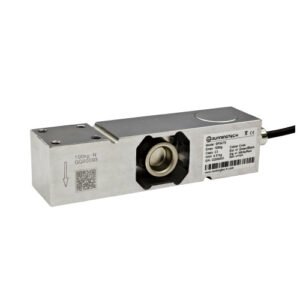
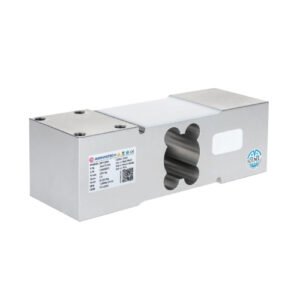
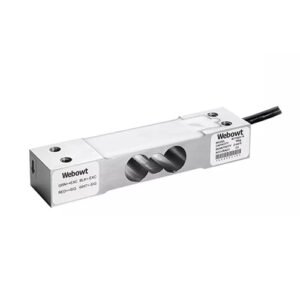
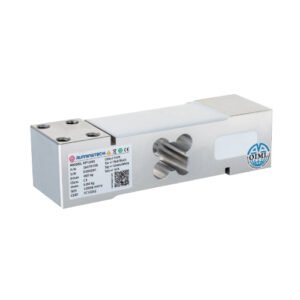
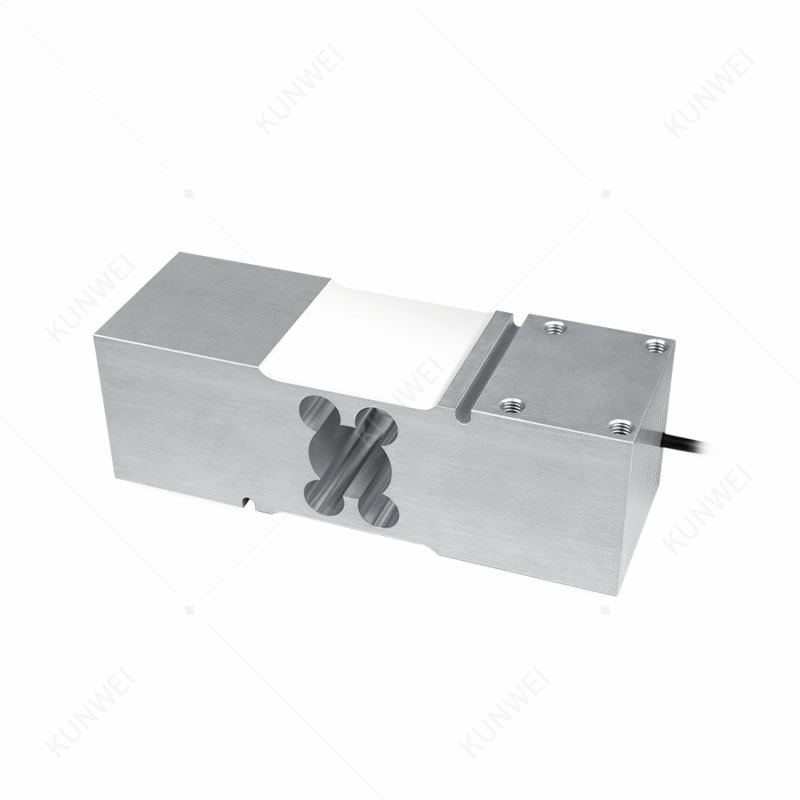
Model of CPA11A

Through the above process, the CP series weighing sensors can achieve the accuracy of C5/C6; Sensitivity reaches 2 ± 0.2mV/V; Repetitive error ≤ ± 0.01% F.S; 30 minute creep ≤ ± 0.014% F.S; Within the working temperature range of -30 ℃ to+65 ℃, the sensitivity temperature coefficient remains stable at ≤± 0.0014% F.S./℃; The ultra-high parameter indicators such as IP67 protection level enable the CP series weighing sensors to maintain high accuracy and stability in harsh working conditions such as high corrosion, high and low temperature in chemical, food processing, high-temperature workshops, and cold chain logistics.