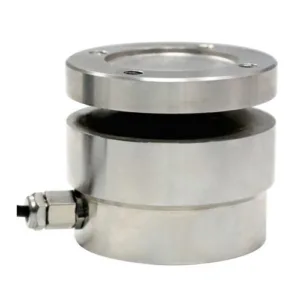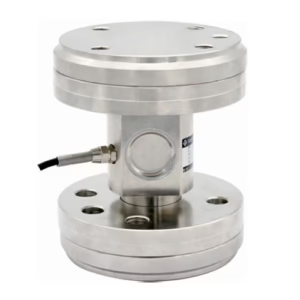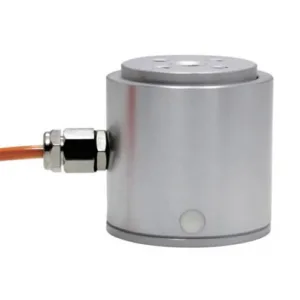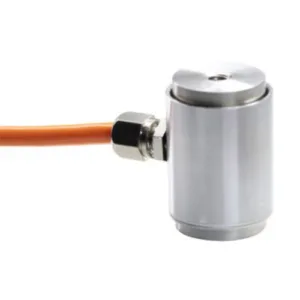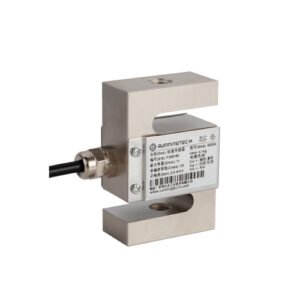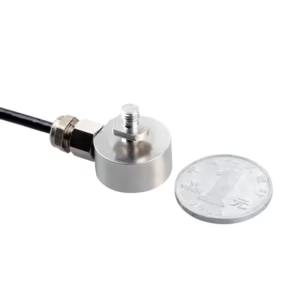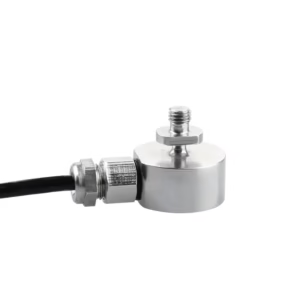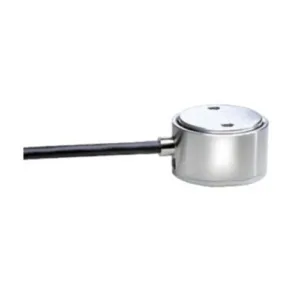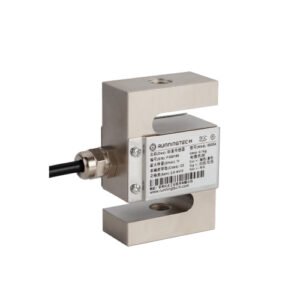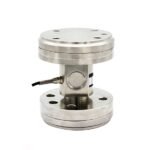


ATO-DYZ-101 Tension and Compression Column Load Cell, 1kg/5kg/10kg/100kg to 2 ton
After purchasing one ATO load cell, you can buy a special digital panel meter to obtain readings directly, or buy a transmitter to output standard signal to PLC, DCS and other systems. Customized output signal is 0-5V, 0-10V, or 4-20mA.
Note: The load cell cannot be connected to both the transmitter and the controller at the same time — only one can be selected.
Tension and compression column load cell is a force sensor designed to measure both tensile and compressive loads accurately. Column load cells are widely used in industrial weighing systems, material testing machines, press force monitoring, and structural load measurement.
Specification
| Model | ATO-DYZ-101 |
| Capacity (Optional) | 1kg/5kg/10kg/20kg/30kg/50kg/100kg/200kg/300kg/500kg/1 ton/2 ton |
| Matched Display Controller | ATO-DPM-DY800 (Click it to the controller page) |
| Matched Transmitter | ATO-LCTR-OA (Click it to the transmitter page) |
| Rated Output | 2.0±0.05mV/V |
| Zero Balance | ±2%F.S. |
| Non-Linearity | 0.05%F.S. |
| Hysteresis | 0.03%F.S. |
| Repeatability | 0.03%F.S. |
| Creep (30min) | 0.03%F.S. |
| Temp Effect on Output | 0.03%F.S./10℃ |
| Temp Effect on Zero | 0.05%F.S./10℃ |
| Response Frequency | 10kHz |
| Material | Stainless Steel |
| Impedance | 350Ω |
| Insulation | ≥5000MΩ/100VDC |
| Operating Voltage Range | 5~10V |
| Operating Temp Range | -20~80℃ |
| Safe Overload | 150% |
| Maximum Overload | 200% |
| Cable Specifications | φ3x2m |
| Cable Ultimate Pull | 10kg |
Dimension (Unit: mm)

Wiring Method

*The above is the wiring method for measuring compression. If measuring tension, the wiring definitions of the green and white wires need to be reversed.
Tips: Difference between a Column Load Cell and a Shear Beam Load Cell
The primary differences between column load cells and shear beam load cells lie in their construction, capacity, and intended applications. Column load cells feature a cylindrical design, with force applied along their central axis. They offer high accuracy and are well-suited for high-capacity applications such as truck scales, tank weighing, and industrial presses, typically handling loads ranging from a few tons to several hundred tons. Their design offers excellent resistance to lateral forces and overloads.
In contrast, shear beam load cells are rectangular and are designed to measure strain caused by shear forces. They offer the highest accuracy for medium-capacity applications, such as platform scales, hopper weighing, and small tanks. Shear beam load cells are easier to install, more compact, and more cost-effective in lower load ranges.