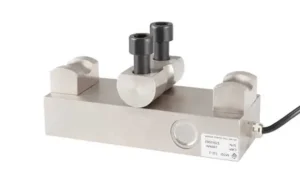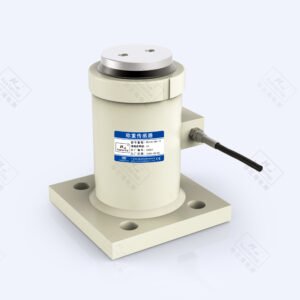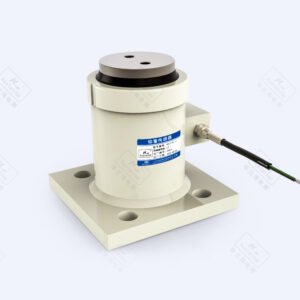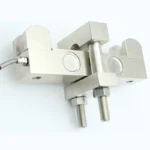
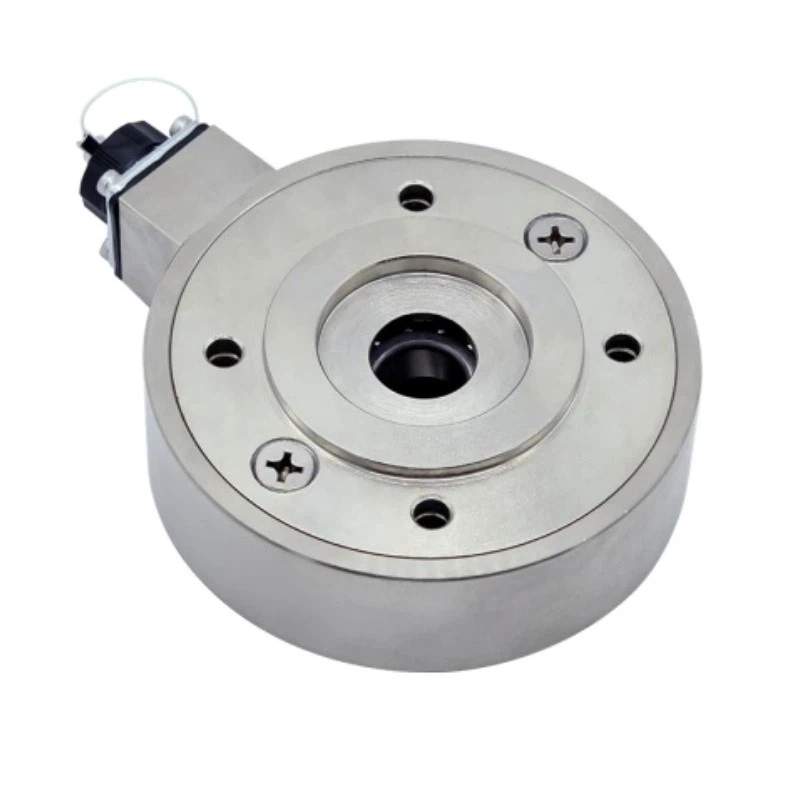
BRG-ZL105 Web Tension Load Cell
Description

What Is The Web Tension Load Cell ?
- Web tension load cells measure the horizontal force component across a roller or pulley that the moving web material runs over.
- They use strain gauge technology to convert the applied force into an electrical signal proportional to the web tension.
- Measuring the true web tension is crucial for proper process control, quality, and preventing breaks or stretching of the material.
Products advantage
The key features of web tension load cells are their high accuracy, wide tension range, robust stainless steel construction, overload protection, temperature compensation, self-aligning design, and ease of installation and maintenance for reliable web tension measurement.
Technical Parameters
| qualification | ||
| Rated quantitative schedule | N | 50-12000 |
| Output sensitivity | mV/V | 2.0±0.05 |
| Zero point output | %F.S. | ±1 |
| Non-linear | %F.S. | 0.3 |
| lag | %F.S. | 0.3 |
| Repeatability | %F.S. | 0.1 |
| Creep (30 min) | %F.S. | 0.1 |
| Temperature sensitivity drift | %F.S./10℃ | 0.002 |
| Zero temperature drift | %F.S./10℃ | 0.002 |
| Response frequency | Hz | 1k |
| Material | 42CrMoA | |
| impedance | Ω | 350 |
| Insulation resistance | MΩ/100V DC | ≥5000 |
| Use voltage | V | 5-15 |
| Operating temperature range | ℃ | -20-60 |
| Safety overload | %R.C. | 150 |
| Extreme overload | %R.C. | 300 |
| Cable line specifications | m | Φ5*3m |
| Cable limit pull force | N | 98 |
| TEDS | selectable | |
Dimension (mm)

| Range(N) | A | B | C | D | E | F | G | H | l | d1 |
| 50-150 | 93 | 64 | 45 | 26 | 16 | 9 | 30.5 | 37.5 | 3.5 | 5.5 |
| 50-500 | 100 | 70 | 50 | 30 | 18.5 | 12 | 30.5 | 37.5 | 3.5 | 6.6 |
| 150-1000 | 105 | 75 | 60 | 40 | 20 | 17 | 30.5 | 37.5 | 3.5 | 6.6 |
| 150-1500 | 125 | 95 | 70 | 45.5 | 33 | 20/25 | 40 | 48 | 4 | 7 |
| 375-3000 | 175 | 135 | 100 | 70 | 44/48 | 35/40 | 57 | 65 | 4 | 9 |
| 750-12000 | 225 | 175 | 130 | 80 | 64/70 | 50/60 | 66 | 76 | 4 | 11 |
Force Diagram


Aluminum Alloy Material
High strength, low density, good corrosion resistance, weather resistance Aluminum alloy material has high thermal conductivity, second only to gold, silver, and copper.