



Model AL-SC is high-output load cell. These semiconductor strain gage load cells are engineered to measure loads from 500 lb to 2000 lb. The tension/compression Model AL-SC is designed with female threads. It provides high performance in non-linearity, hysteresis, and repeatability. Low mechanical deflection allows for better response capability.

The Model 127 load cells combines both a compact form and high precision to offer a superior tension force transducer. The one-piece S-shaped design achieves a maximum non-linearity of 0.03 % full scale for load ranges of 50 kg and 100 kg.

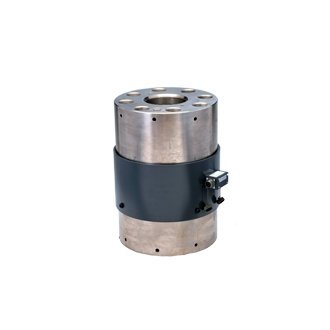
Model 3632 Compression Donut Load Cell features a smooth thru-hole design for use in applications which require the load structure to pass through the cell. The hollow load cells are available for compression only loads in capacities of 25K, 50K and 100K lbs. For optimum performance, this load cell must be mounted between load surfaces which are flat and parallel.
The Model 3130-131 fatigue-resistant load cells are extremely resistant to extraneous bending and side loading forces. The structure virtually eliminates bending strains at the strain gage, minimizing the primary cause of load cell failure. Dual bridge option available for feedback control and redundancy.
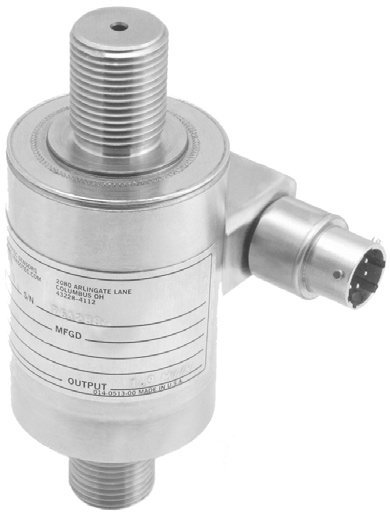
Model RM, with male threads, is a high output rod end load cell designed to be mounted inline to the load axis to measure tension. The outputs for these load cells are ±5 Vdc or 10 Vdc, or
4 mA to 20 mA (two wire) all calibrated in tension. The mounting thread configurations and the all welded stainless steel construction make these tension load cells ideal for a variety of rugged field applications as well as in the laboratory.
The optional high output signal offers resistance to electrical noise as well as additional signal resolution. Additional options include an internal buffered shunt calibration circuit for ease of setup with an associated indicator, and a variety of thread selections, including metric sizes.

The small-diameter, cost-efficient load cells are designed to be used in applications that require an ability to mount in an existing system with restricted working area. They are commonly used in fluid power transfer systems. Their low cost and ease of mounting allow simultaneous testing of multi-element systems.
They may be directly attached to the piston rod of a hydraulic cylinder. Side-mounted cable connectors allow cable assemblies to be supported without affecting movement of the cell during tension or compression loading.
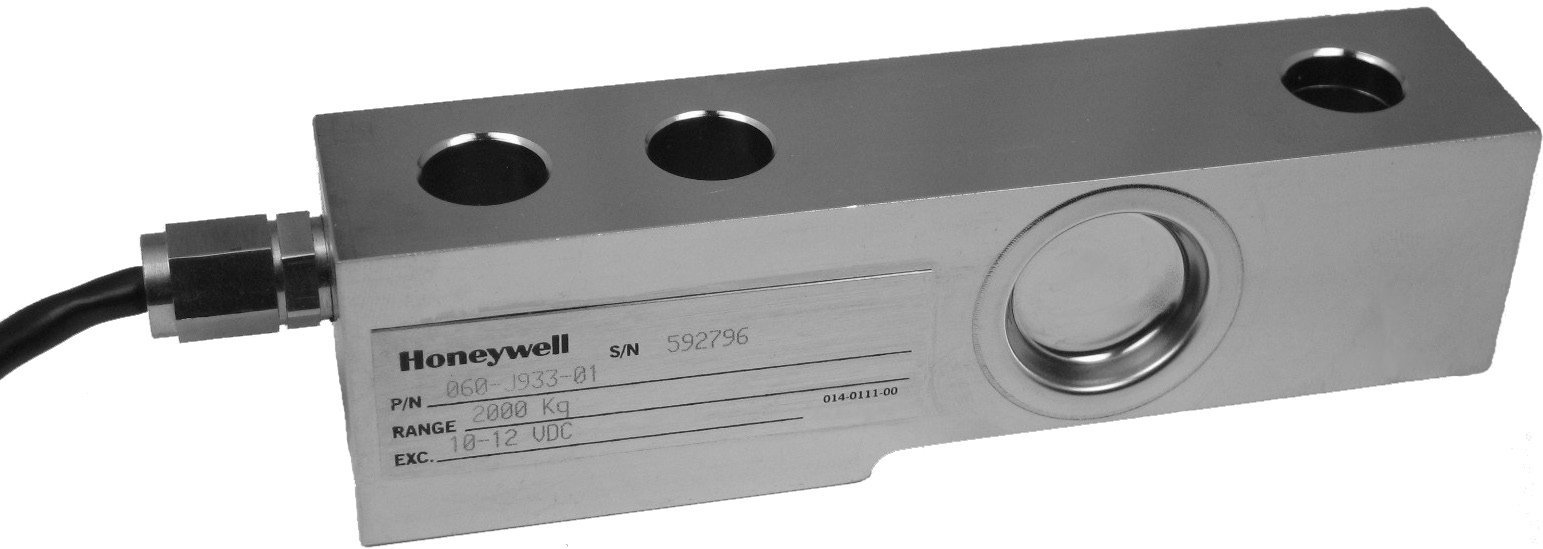

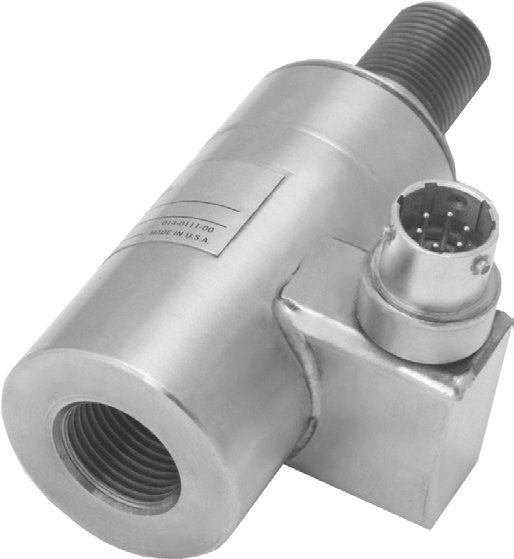
Model RH, with male and female threads, is a high output rod end load cell designed to be mounted inline to the load axis to measure tension. The outputs for these load cells are ±5 Vdc or 10 Vdc, or 4 mA to 20 mA (two wire) all calibrated in tension. The mounting thread configurations and the all welded stainless steel construction make these tension load cells ideal for a variety of rugged field applications as well as in the laboratory.
The optional high output signal offers resistance to electrical noise as well as additional signal resolution. Additional options include an internal buffered shunt calibration circuit for ease of setup with an associated indicator, and a variety of thread selections, including metric sizes.


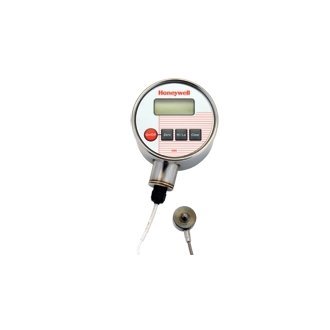
The Model LC digital force indicator is a highly portable force measurement device. With its 9 V battery supply and compact size the indicator can easily be carried to remote locations to perform force measurement calibrations. The unit can measure compression forces up to 50,000 lbs.
The peak capture feature allows the highest force reading taken to be displayed with the push of a button. The remote location of the load sensor minimizes the chance of damage to the electronic body of the gauge. The stainless steel construction of the sensor and the indicator makes them often resistant to the occasional mishandling than can occur in the field. Optional handles are available for the load cell and gauge.
Each unit has a membrane face with raised buttons and tactile feedback for setup and operation. The high, low, and clear buttons are easily accessible on this front membrane. Zero adjustment and zero offset/tare functions are standard on each unit. Calibration and setup parameters are stored on a memory chip to protect from loss even when power is interrupted. Unauthorized set ups and calibrations are also blocked with internal security. Various combinations of the front panel buttons can be de-activated.