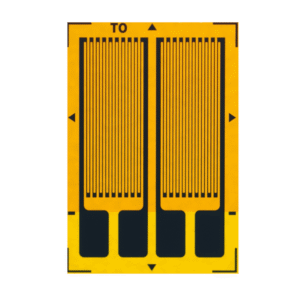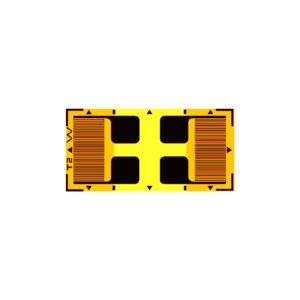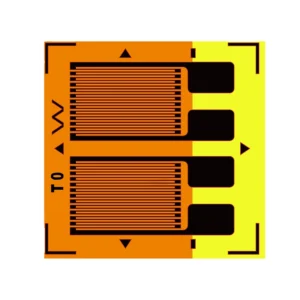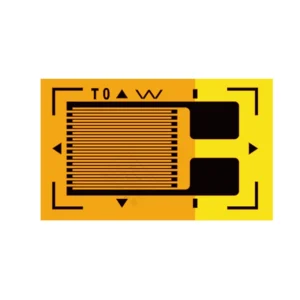
GD high temperature Foil Types Of Strain Gauges Load Cell for Melt Pressure Sensors
Key Features:
Foil Constantan or karma-measuring grid material.
Rated Resistance: 60 – 5000
Various creep codes available
Used in applications where shear load cell or torque force is measured.
Single measuring grid on a backing, usually directed into a 45° angle
Silver or enameled wires and cables
Usage & Applications:
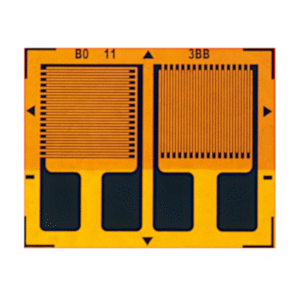
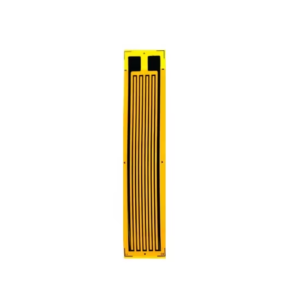
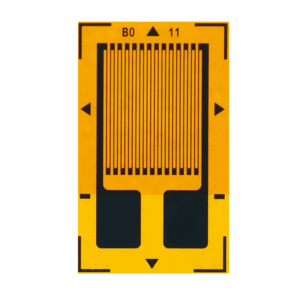
1. Single-Linear (Uniaxial) Foil Gauges
Load Cells (beam-type, bending applications).
Stress Analysis (unidirectional force testing in materials).
Structural Monitoring (e.g., axial strain in bridges, trusses
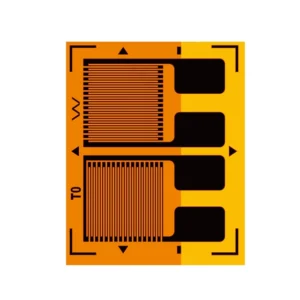
2. Rosette (Multi-Axial) Foil Gauges
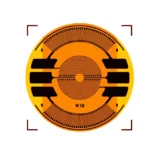
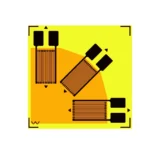
Design: Multiple grids arranged at specific angles (e.g., 0°/45°/90° or 0°/60°/120° 200°) to measure complex strain fields.
Types & Applications:
90° (Two-Element) Rosette—Measures biaxial strain (e.g., pressure vessels).
45° or 60° (Three-Element) Rosette—Determines principal strains in sheet metal, automotive components, and aircraft wings.
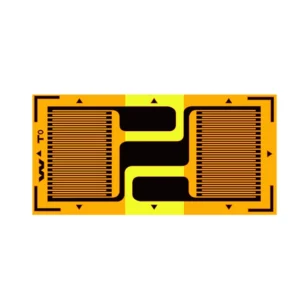
T-Type Rosette—Used in torque sensors (measuring shear strain in shafts).
200° (Three-Element) Rosette— industrial force measurement, stress analysis and testing, and high-temperature melt pressure sensors.
3. Shear/Torque Foil Gauges
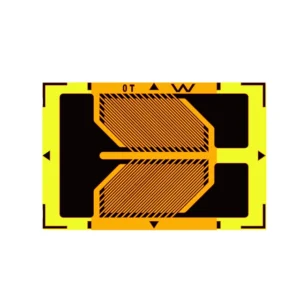
Design: Diagonal grid pattern optimized for shear strain measurement.
Torque sensors (rotating shafts in engines and robotics).
Force transducers (twisting/bending applications).
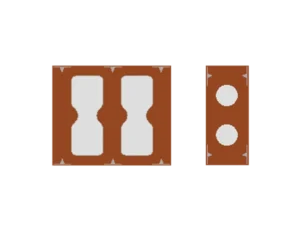
4. Diaphragm (Planar) Foil Gauges Design:
Pressure Sensors (fluid/gas pressure measurement).
Medical Devices (blood pressure sensors, respiratory monitors).
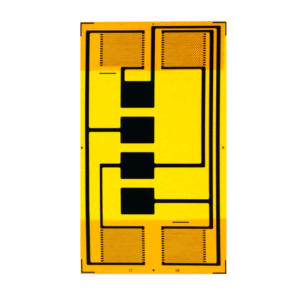
5. Full-Bridge Foil Gauges (Pre-Installed Wheatstone Bridge)
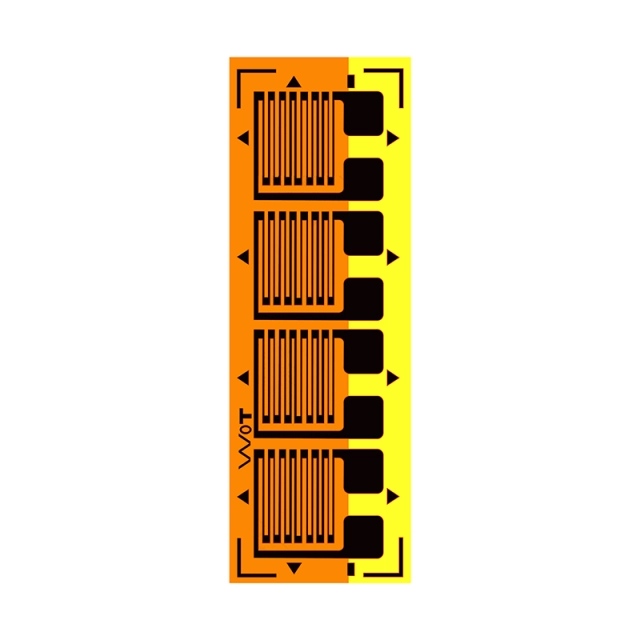
Design: Four active strain gauges in a Wheatstone bridge configuration for high sensitivity & temperature compensation.
Used in:
High-Precision Load Cells (industrial weighing, aerospace testing).
Strain-based accelerometers (vibration sensors).
6: Industrial force measurement, stress analysis and testing, high temperature melt pressure sensors and so on
Dimension Size: